[vc_row][vc_column][vc_column_text]
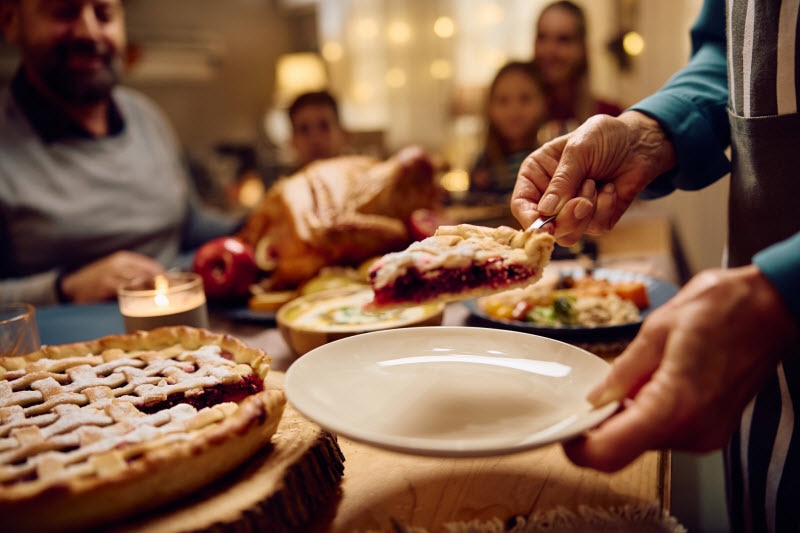
Holiday meals tend to be larger, richer and more expansive than our day-to-day eating routines. It’s practically comes with the territory to walk away from the table feeling overly full, sluggish and uncomfortable. No need for alarm: it just means your body is managing a bigger workload than usual. Understanding what actually happens when you overeat—and knowing what to do before, during and after the meal—can help you enjoy your holiday foods without the next-day remorse.
What happens to your body when you overeat
A holiday feast asks your
digestive system to move through significantly more food in a shorter period of time. The system adapts and continues functioning, but the process takes longer and can bring temporary discomfort.
Your stomach expands to handle the volume
The stomach stretches naturally, but a large meal increases internal pressure. This stretch slows the rate at which food moves to the small intestine, creating the heavy or distended feeling that often lingers.
Digestive transit slows down
Carbohydrates, protein and fat each have different digestive pathways. Larger quantities require more enzymes, more mechanical work from the GI tract, and more time overall. This delay can produce a sense of sluggish digestion.
Heartburn risk increases
When the stomach is very full, acidic contents may travel upward into the esophagus, triggering burning, soreness or a sour taste. Fatty dishes and alcohol can amplify this effect.
Gas and bloating become more likely
More food means more fermentation and more gas production. Certain vegetables—particularly cruciferous types—as well as sweets and dairy-heavy dishes, can heighten this effect depending on your individual tolerance.
Your body uses more energy for digestion
The digestive process, from stomach acid production to intestinal motility, requires fuel. After a large meal, that energy demand can lead to noticeable fatigue.
Remaining upright helps your body process the meal
Lying down immediately after eating slows digestion and increases reflux. Staying upright for two to three hours allows gravity to aid the process.
Preventing post-meal discomfort: an action plan
If you understand your reasons for eating, enjoy your food and learn to listen to the signs that your body is full, you can prevent the inadvertent
I-ate-too-much feeling. Here are few tips for eating more mindfully.
1. Plan Ahead
Eating normally earlier in the day, choosing balanced meals with protein and fiber, and identifying which
holiday dishes you truly want can create a more intentional game plan. A few small decisions in advance can prevent the feeling of being overwhelmed once food is in front of you.
2. Use the HALT Method
The HALT method—Hungry, Angry, Lonely, Tired—helps you identify three other internal states that can influence eating patterns as strongly as physical hunger. Taking 10 seconds to assess where you are mentally and physically can shift the entire experience of the meal.
H is for hungry
Begin by asking yourself, “Am I hungry? When’s the last time I’ve had a meal or
snack? Is it time to fuel my body?” If you are genuinely hungry, eat something nourishing that will give you energy. Try to eat without other distractions competing for your attention.
A is for angry, anxious or agitated
Anger, stress, frustration or tension can express as
food cravings. It’s far better to acknowledge these feelings and see if there’s something you can do about it. Taking a break from what you’re doing or getting up to move your body is a great way to address these emotions.
L is for lonely
Loneliness happens—to everyone. Getting to know the times of the day that you may feel most lonely can be helpful. Ask yourself, “Is food going to help my loneliness?” Loneliness can drive you toward food for comfort rather than hunger. Recognizing this feeling can help redirect you toward connection, be it conversation, helping in the kitchen or taking a breather.
T is for tired
Your body is telling you that you need rest not food. Sometimes you pack your schedule so tightly that you convince yourself eating is the only way to get through the next task. Keeping a consistent bedtime routine, like winding down at the same time each night, is a goldmine of mental and physical benefits.
3. Avoid arriving “starved”
Skipping meals throughout the day, to “save up” for a big dinner can make you eat quickly and choose larger portions. Eating regular meals—including protein and fiber—keeps your appetite stable so you can enjoy holiday foods without inhaling food willy-nilly.
4. Practice restraint without deprivation
Avoiding foods you genuinely enjoy often leads to overeating something else later. If there’s a dish you look forward to every year, include it in a small or moderate portion. Balanced inclusion reduces the chance of feeling deprived or “making up for it” afterward.
5, Eat slowly and savor
Slower eating, or
mindful eating, supports your body’s natural satiety cues. Chewing thoroughly, noticing texture and flavor, pausing between bites and setting down your utensils periodically help you remain connected to how full you actually are.
5. Choose drinks discriminately
Holiday beverages can be high in sugar and calories. Choosing water, tea, or sparkling water during the meal keeps you hydrated and prevents unnecessary fullness. Enjoy richer beverages when they truly add to the experience rather than by default.
6. Follow the 20-minute rule
Before returning for seconds, pause for at least 20 minutes. This gives your stomach time to send fullness signals to your brain. If you’re still hungry afterward, a small additional portion makes sense. If not, you’ve prevented avoidable discomfort.
How to recover after you’ve already overdone it
If you do find yourself painfully full, try these practical steps to support digestion and ease discomfort.
Take a walk or engage in light activity
Even a short, easy 15-minute walk can help reduce
bloating and gas. Light movement improves blood flow to the digestive organs and increases the gentle muscle contractions that help move food through the GI tract. Alternatively, simple tasks like tidying the kitchen, playing with children, or stepping outside for fresh air also count. Remaining upright is especially helpful in reducing reflux.
Stay hydrated
After a large meal,
hydration supports digestion, helps prevent constipation and reduces stomach discomfort. Sip water gradually. Herbal teas—especially
ginger,
peppermint or
chamomile—can ease gas, nausea and indigestion.
Be gentle with yourself
Instead of self-beratement, try a little tenderness. Holiday meals are tied to tradition, emotion, connection and celebration. Overindulging is par for the course. Instead of criticizing yourself, reflect on the factors that influenced how you ate: stress, distraction, timing, or hunger levels.
Understanding these patterns helps you make better choices next time without resorting to harsh self-judgment.
Holiday meals are meant to be enjoyed. Feeling overly full is temporary, and one large meal doesn’t define your health. But with thoughtful pacing, awareness of internal cues, and supportive post-meal habits, you can participate fully in your gathering while keeping your body comfortable during and after the holiday feast.[/vc_column_text][/vc_column][/vc_row][vc_row][vc_column][vc_text_separator title="Featured Products" border_width="2"][vc_row_inner equal_height="yes" content_placement="middle" gap="35"][vc_column_inner width="1/3"][vc_single_image image="190270" img_size="full" alignment="center" onclick="custom_link" img_link_target="_blank" css=".vc_custom_1763831611002{padding-right: 7% !important;padding-left: 7% !important;}" link="https://www.vitacost.com/digestive-advantage-daily-probiotic-intensive-bowel-support"][/vc_column_inner][vc_column_inner width="1/3"][vc_single_image image="190271" img_size="full" alignment="center" onclick="custom_link" img_link_target="_blank" css=".vc_custom_1763831629907{padding-right: 7% !important;padding-left: 7% !important;}" link="https://www.vitacost.com/upspring-stomach-settle-drops"][/vc_column_inner][vc_column_inner width="1/3"][vc_single_image image="190272" img_size="full" alignment="center" onclick="custom_link" img_link_target="_blank" css=".vc_custom_1763831650590{padding-right: 7% !important;padding-left: 7% !important;}" link="https://www.vitacost.com/country-life-papaya-digestive-support-pineapple-papaya"][/vc_column_inner][/vc_row_inner][/vc_column][/vc_row]