[vc_row][vc_column][vc_column_text]Most of us don't think much about digestion unless we struggle with unpleasant symptoms or
feel overfull after a big meal. But from the moment you put food in your mouth,
digestive enzymes get to work breaking it down so your body can absorb and use the nutrients it contains.

What do digestive enzymes do?
Digestive enzymes are proteins released from glands along your digestive tract as food passes from your mouth to your large intestine. The main enzymes include:
- Mouth: Salivary amylase and lingual lipase
- Stomach: Pepsin and gastric lipase
- Pancreas: Pancreatic amylase, protease and lipase
- Small intestine: Proteases
Each type of enzyme breaks down a different macronutrient. Amylase works on carbohydrates, protease on protein and lipase on fats.
Many digestive enzyme supplements combine all three enzyme types. Some also include enzymes your body doesn't make, like cellulase that can break down tough plant fibers or phytase to separate minerals from phytic acid in grains and beans. These supplements are usually taken right before a meal to
help digest food, minimize symptoms like gas and bloating or promote digestion if you're low in natural enzymes.
How do digestive enzymes work?
Digestive enzymes break bonds between food molecules to separate them into smaller and smaller compounds until they become single molecules and very short chains your body can absorb.
This bond-breaking process is called hydrolysis. Bonds between the molecules in nutrients have specific chemical makeups that hold them together. In hydrolysis, enzymes add water to these bonds, which splits the molecule apart.
Enzymes in the mouth
Salivary glands in your mouth kick off the process, releasing amylase and lipase that get mixed with food as you chew. (That's why
chewing thoroughly is so important!) Large carbohydrate molecules, which are made up of long strands of sugars, begin splitting apart into shorter chains called trisaccharides and disaccharides. Fats split into diacylglycerols and monoacylglycerols.
Stomach enzymes
Swallowing sends this mix of food and digestive juices, called a bolus, to your stomach, where it's churned together with stomach acid and more enzymes. Special
cells called "chief" cells in your stomach lining release pepsinogen, which is activated by stomach acid to become the protein-digesting enzyme pepsin. Pepsin
separates large protein molecules into shorter amino acid chains called polypeptides and dipeptides.
Enzymes from the pancreas and small intestine
Now called chyme, the partially-digested food passes from your stomach to your small intestine, where digestion becomes a team effort. Your pancreas and gallbladder release enzymes and bile into the first segment of your small intestine—the duodenum—as food enters. Bile separates large fat droplets
into smaller bits to make it easier for lipase to split the molecules into
diacylglycerols and monoacylglycerols.
Protein digestion becomes more complex as the pancreas releases several proteases called peptidases, which include:
- Trypsin
- Chymotrypsin
- Elastase
- Carboxypeptidases
Peptidases work on bonds at different parts of protein molecules to split them into individual amino acids and short amino acid chains called oligopeptides. Your body uses these compounds to:
- Build up cells and tissues
- Generate energy
- Make immune components like antibodies
- Produce more enzymes
- Transport nutrients into and out of cells
To finish digesting carbohydrates, both the pancreas and the duodenum release amylase enzymes that separate tri- and disaccharides into simple sugars like
maltose and maltotriose, glucose and galactose or glucose and fructose.
Nutrient absorption in digestion
At last, your body is ready to make use of that meal you ate. The simplified molecules travel through the next two segments of your small intestine, the jejunum and ileum, where projections called villi
absorb the nutrients.
Anything that's left, including undigested proteins and fiber, passes into your large intestine, where gut bacteria extract the remaining nutrients and
produce additional vitamins.
What happens if you don't make enough digestive enzymes?
Your body should naturally make all the digestive enzymes it needs, but genetics and certain conditions can affect levels in some people.
Pancreatic insufficiency
Pancreatic insufficiency is a condition where the pancreas can't make enough enzymes to fully break down food. It usually develops due to damage from diseases like pancreatitis, autoimmune disease, diabetes, Celiac disease or Crohn's. Digestive surgery or
drinking too much alcohol can also damage pancreatic cells.
Pancreatic insufficiency makes it harder to digest food and absorb nutrients. If left untreated, it can lead to
complications like:
- Malnutrition
- Weight loss
- Osteopenia or osteoporosis
- Weakened immunity
- Vitamin deficiencies
- Increased risk of heart attack or stroke
Malabsorption and intolerance
A
small number of people suffer from a genetic condition called fructose intolerance, where their bodies don't make enough of a
specific enzyme that breaks down fructose sugars from fruits, vegetables or sweeteners. This is different from fructose malabsorption, which is when your body has trouble digesting or absorbing fructose.
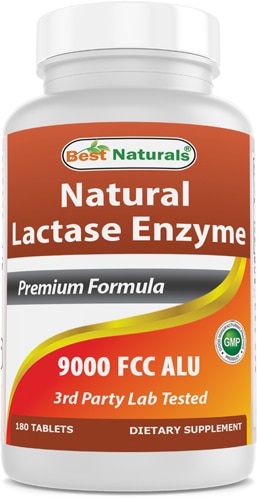
Lactose intolerance, a deficiency of the lactase enzyme that breaks down sugars in milk, is more common. Between
65% and 75% of adults can't digest lactose well and suffer from symptoms like bloating, gas or diarrhea when they eat dairy products.
Digestive enzyme supplements are the main treatment for natural enzyme deficiencies. They can
replace missing enzymes or provide added support when enzymes are low.
Do you need to take digestive enzymes?
Since other digestive conditions can cause symptoms similar to enzyme deficiencies, it's important to discuss any changes in digestion with your doctor before taking digestive enzymes. Supplementing when you don't need it can make symptoms worse or
cause new symptoms. A gastroenterologist can determine if you have a deficiency and which enzymes are best to support healthy digestion.
If you only get symptoms after eating certain kinds of foods — like beans, high-fiber vegetables or dairy — it's safe to try an enzyme supplement formulated to help digest those foods.[/vc_column_text][/vc_column][/vc_row][vc_row][vc_column][vc_text_separator title="Featured Products" border_width="2"][vc_row_inner equal_height="yes" content_placement="middle" gap="35"][vc_column_inner width="1/3"][vc_single_image image="190315" img_size="full" alignment="center" onclick="custom_link" img_link_target="_blank" css=".vc_custom_1764111707906{padding-right: 7% !important;padding-left: 7% !important;}" link="https://www.vitacost.com/vitacost-digestive-enzymes"][/vc_column_inner][vc_column_inner width="1/3"][vc_single_image image="190316" img_size="full" alignment="center" onclick="custom_link" img_link_target="_blank" css=".vc_custom_1764111731275{padding-right: 7% !important;padding-left: 7% !important;}" link="https://www.vitacost.com/flora-daily-maintenance"][/vc_column_inner][vc_column_inner width="1/3"][vc_single_image image="155612" img_size="full" alignment="center" onclick="custom_link" img_link_target="_blank" css=".vc_custom_1635274203725{padding-right: 7% !important;padding-left: 7% !important;}" link="#"][/vc_column_inner][/vc_row_inner][/vc_column][/vc_row]