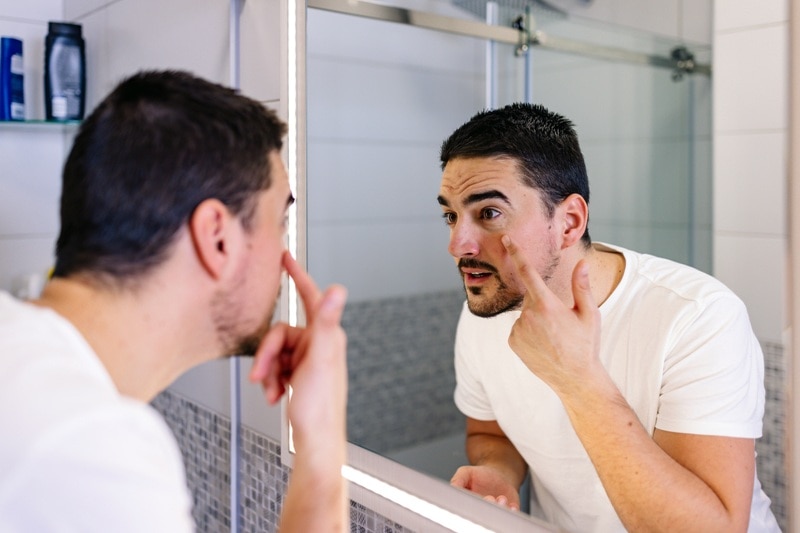
[vc_row][vc_column][vc_column_text]Have you ever washed your face and felt that tight, dry pull afterward, even with your usual cleanser? Or noticed your go-to moisturizer suddenly sting? As a dermatologist, I often see patients who tell me their skin feels off.
These subtle changes usually point to a compromised skin barrier. When this protective layer weakens, even mild triggers such as a few extra minutes in the shower or a change in weather can cause discomfort. Let’s look at what your barrier does, why it falters and how to get it back on track.
What Is a Skin Barrier?
Skin barrier, or
stratum corneum, is the outermost layer of the epidermis. It is made of flat cells called corneocytes held together by a blend of ceramides, cholesterol and fatty acids. Think of it as a brick wall where the corneocytes are the bricks and the lipids form the mortar that keeps everything sealed.
This structure locks moisture in and keeps irritants, bacteria and pollutants out. It also maintains the skin’s slightly acidic pH, which
supports a balanced microbiome and
prevents inflammation. When the barrier is intact, skin feels soft, smooth and resilient. When it is weakened, dryness, redness and irritation soon follow.
Core Functions of the Skin Barrier
Skin barrier works quietly around the clock to keep your skin balanced and protected. Its main role is to
maintain stability by holding in essential moisture and keeping harmful elements out. It minimizes transepidermal water loss (TEWL), which helps your skin stay hydrated and supple, while forming a
protective shield against pollutants, allergens, and microbes that can irritate or inflame the skin.
The barrier also helps preserve a slightly acidic pH, supporting a healthy community of microorganisms that live on our skin. This microbiome acts like a built-in defense system, helping regulate inflammation and preventing infections. When all these systems work in harmony, your skin stays calm, hydrated and comfortable. Even small disruptions, such as over-cleansing or excessive exfoliation, can throw off this balance and lead to dryness, irritation or sensitivity.
What Damages the Skin Barrier?
Our barrier is strong by design, but daily habits and internal changes can wear it down. Here are some common causes, both external and internal, that can compromise its strength:
External factors
External stressors are among the most common reasons our skin barrier weakens.
Over-cleansing or using harsh, high-foaming or alkaline cleansers can strip away the protective lipid film that keeps the surface intact. Excessive exfoliation is another major culprit. Repeated use of strong acids or gritty scrubs can
thin the stratum corneum, making it more permeable and reactive.
Ultraviolet (UV) radiation and air pollution also break down barrier lipids, while cold or dry climates speed up water loss. Even long, hot showers or vigorous towel drying can aggravate already fragile skin.
In short, anything that removes too much oil or moisture too quickly can leave the skin dry, tight and prone to irritation.
Internal factors
Skin barrier can also weaken from within. If you have
eczema,
rosacea or naturally
sensitive skin, your genetics may make your barrier more delicate. As you age, your skin produces fewer lipids and natural oils, which makes it harder to retain moisture and repair after irritation.
Hormonal changes during
puberty, pregnancy or menopause can shift oil production, sometimes leading to dryness or reactivity. Ongoing stress and sleep deprivation raise
inflammation and slow the skin’s repair process, leaving it more vulnerable over time.
Together, these internal and external factors create a cycle where the barrier struggles to recover fully, increasing the risk of persistent sensitivity, dryness and redness.
Early Warning Signs
Your skin rarely shifts from healthy to irritated overnight. Most of the time, it gives you gentle hints that something is off. Paying attention to these small changes early can help you prevent deeper irritation later.
Changes in how it feels
The first clue is often a change in sensation. If your skin feels unusually tight after cleansing or starts to sting when you apply your usual moisturizer, your barrier may already be compromised. Products that once felt soothing may suddenly tingle or burn. This sensitivity is your skin’s way of signaling that its protective layer has weakened.
Changes in how it looks
Next, you may notice visible changes. These can include
dry patches, flaking or redness that lingers longer than usual. Your complexion can appear dull or uneven, and makeup might cling to rough areas that were not there before. These visible signs usually mean your skin is losing water faster than it can hold it in.
Changes in how it behaves
When the barrier is damaged, even dependable products can stop performing as they used to.
Moisturizers seem to sit on the surface instead of absorbing, and new serums or actives feel instantly irritating. In this phase, adding more products will not help. What your skin truly needs is rest, moisture and time to repair.
How to Repair Skin Barrier
When your skin barrier feels irritated or reactive, it is easy to panic and start searching for quick fixes. The truth is that your skin does not need more products. It needs fewer, gentler products used with consistency and care. Here is how to rebuild your skincare routine and help your barrier recover.
Step 1: Pause potential irritants
Put aside anything that may be adding stress to your skin. This includes exfoliating acids,
retinoids, scrubs, vitamin C serums and any product that tingles or stings when applied. These ingredients are helpful in a healthy routine but are too stimulating when your barrier is compromised. Give your skin two to three weeks of rest before slowly reintroducing them.
Step 2: Cleanse gently
Cleanse only twice a day, morning and evening. Choose a mild, pH-balanced formula that removes impurities without stripping natural oils, such as
Honest Gentle Gel Cleanser or
NOW Gentle Balance Cream Cleanser. Foaming or deep-cleaning products often strip away the lipids your skin needs most. Always pat dry with a soft towel instead of rubbing.
Dermatologist Tip: If your skin feels tight immediately after cleansing, the cleanser is too harsh and should be replaced.
Step 3: Rebuild hydration and lipids
This is the most important step in barrier recovery. Select a moisturizer that feels soothing and absorbs well without heaviness. Ingredients like ceramides, squalane and natural plant oils help restore lost lipids and strengthen the outer layer. Options such as
Pacifica Vegan Ceramide Barrier Face Lotion,
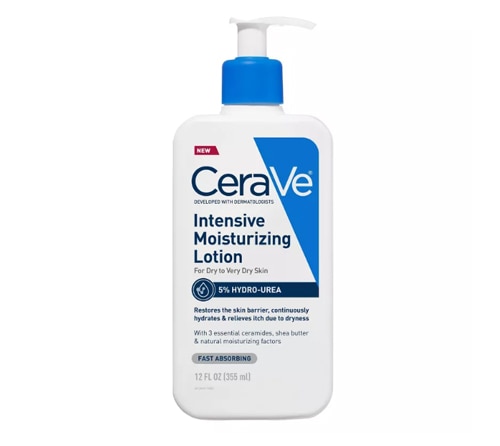
CeraVe Intense Moisturizing Lotion or
Tree to Tub Deep Hydrating Moisturizer are ideal for sensitive or reactive skin.
Step 4: Protect every morning
Sun protection is non-negotiable. Even when you spend most of your day indoors, UV rays can penetrate windows and slow healing. Apply a broad-spectrum sunscreen with SPF 30+ daily. Mineral formulas are often the most comfortable for sensitive skin. Reliable options include
Eucerin Sun Sensitive Mineral Sunscreen SPF 50 or
Blue Lizard Sensitive Sunscreen Lotion SPF 50.
Step 5: Reintroduce actives slowly
Once your skin feels calm, hydrated and comfortable again, begin reintroducing actives slowly. Start with the gentlest product first, at a low concentration and use it a few nights per week. Observe how your skin responds. If you notice stinging, peeling or redness, pause and allow more time for recovery before trying again.
Everyday Habits That Help the Skin Barrier
Skin barrier recovery doesn’t depend on skincare alone. Small routine changes can make a big difference and a few helpful habits are listed below.
Keep showers short and lukewarm. Use a humidifier during dry seasons. Stay hydrated and eat foods rich in
omega-3 fatty acids and
antioxidants, which support lipid balance. Manage stress through light exercise or relaxation techniques. Aim for seven to nine hours of sleep at night, as skin repairs itself most effectively at night.
When to See a Dermatologist
If your skin continues to feel uncomfortable even after you have simplified your routine, it is time to check in with a dermatologist. Persistent redness, burning or dryness that does not settle within two weeks often means your skin needs more than at-home care. These can indicate conditions like eczema or contact dermatitis that need prescription treatment.
Final Thoughts
Your skin barrier works quietly every day, keeping moisture in and protecting against irritants, microbes and pollution. However, modern habits like frequent cleansing, strong exfoliants, long hot showers and inconsistent sun protection can gradually weaken it over time.
Restoring your barrier is not about using more products; it is about using the right ones consistently. Gentle cleansing, daily hydration and broad-spectrum SPF 30+ are the foundation of long-term repair. Small lifestyle choices, like sleeping well, staying hydrated and managing stress, also give your skin the chance to recover naturally.
If your skin continues to sting, flake or feel persistently irritated despite simplifying your routine, it is best to see a dermatologist. With a tailored plan and the right support, most skin barriers can recover their balance, resilience and natural glow.
Disclaimer
This article is for general information only. It does not diagnose, treat, cure or prevent any disease and it is not a substitute for personal medical advice.[/vc_column_text][/vc_column][/vc_row][vc_row][vc_column][vc_text_separator title="Featured Products" border_width="2"][vc_row_inner equal_height="yes" content_placement="middle" gap="35"][vc_column_inner width="1/3"][vc_single_image image="190239" img_size="full" alignment="center" onclick="custom_link" img_link_target="_blank" css=".vc_custom_1763758565894{padding-right: 7% !important;padding-left: 7% !important;}" link="https://www.vitacost.com/pacifica-vegan-ceramide-barrier-face-lotion"][/vc_column_inner][vc_column_inner width="1/3"][vc_single_image image="190237" img_size="full" alignment="center" onclick="custom_link" img_link_target="_blank" css=".vc_custom_1763758577431{padding-right: 7% !important;padding-left: 7% !important;}" link="https://www.vitacost.com/cerave-intensive-moisturizing-lotion"][/vc_column_inner][vc_column_inner width="1/3"][vc_single_image image="190236" img_size="full" alignment="center" onclick="custom_link" img_link_target="_blank" css=".vc_custom_1763758589697{padding-right: 7% !important;padding-left: 7% !important;}" link="https://www.vitacost.com/blue-lizard-sensitive-sunscreen-lotion-spf-50"][/vc_column_inner][/vc_row_inner][/vc_column][/vc_row]