[vc_row][vc_column][vc_column_text]Clarity, confidence, an end to those paralyzing period headaches—it’s safe to say that the upside of menopause is a cause for celebration.
If you’re like most women the world over, though, the positive aspects of menopause are often eclipsed by its dark underbelly. Even if you’re decades away from going through “the change,” you may be overwhelmed by tales of unrelenting hot flashes, stick-to-the-sheets night sweats, and
mood swings so severe they evoke your adolescence. Is it any wonder why this phase is increasingly called a woman’s second puberty?
It’s true that
perimenopause and menopause can be marred by
bothersome symptoms. And yet, these “side effects” are tolerable with the right lifestyle choices and natural solutions—and a small price to pay for the deeper sense of self that may arrive in menopause’s wake.
The exception? Menopausal bloating.
Separate from
“meno belly” (or abdominal fat), many women deem taut, full
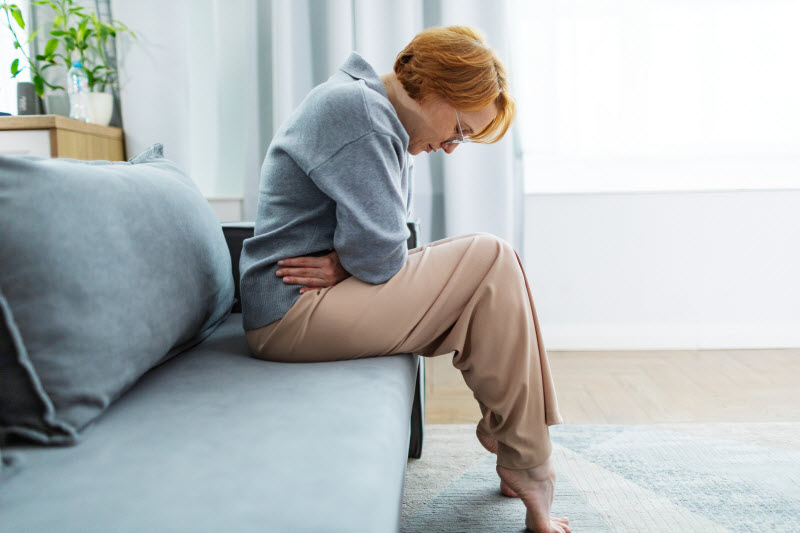
-feeling tummies substantially more frustrating than vaginal dryness, a sagging libido, brain fog, achy joints, and other symptoms that are part and parcel of “the pause.” Not only can menopausal bloating prompt pain and discomfort, but it might also affect your self-perception and result in significant
emotional distress.
If you’re new to the concept, this post for you. Read on as we dive into the link between menopause and water retention, why it happens, and what you can do to prevent—and
manage—it.
What is menopause bloating?
Up to
70 percent of American adults are more than familiar with
bloating. Technically known as
“meteorism,” it refers to an accumulation of gas or air in your gastrointestinal tract and oftenmanifests as abdominal distension. A host of culprits may precipitate the condition, including food sensitivities, medical issues and carbonated beverages.
Menopausal bloating is a
form of bloating, yet it deviates from that tight, run-of-the-mill unpleasantness you might feel after eating split pea soup in that it rears its head during perimenopause (or the years immediately leading up to menopause) and menopause itself, which is defined as the complete cessation of your period for 12 consecutive months. What’s more, menopausal bloating may be triggered by other factors—a topic we’ll delve into below.
What are the symptoms of menopausal bloating?
The symptoms of menopausal bloating bear resemblance to ordinary bloating. It can include:
? Bulging in your midsection
? Pressure
? An ongoing feeling of fullness
? Firmness
? Cramps
? Pain
? Nausea
? Flatulence
? Changes in bowel patterns
Distinct from
menopausal weight gain (a less-than-desirable ramification of menopause that
affects approximately 60 to 70 percent of women and comes on gradually), menopausal bloating may arrive suddenly and range from mild to debilitating.
Another telltale sign that the age of your ovaries is behind yourtummy’s puffiness? Menopausal bloating often shifts throughout the day. This means your stomach may appear swollen after a meal or a glass of Perrier, while abdominal weight gain remains rather static in both size and shape.
What causes menopausal bloating?
We’ve all been there: We reach for our favorite pair of jeans only to find that not only will they not zip all the way up, but they also feel downright (and exasperatingly)
snug.
Dozens of reasons potentially responsible for the balloon that has replaced your belly may flash through your mind, from your new raw food diet to recently ending
a round of antibiotics. But if you’re in your 40s and 50s and your periods have become irregular—if not ended altogether—the offender is likely one thing: Your hormones.
More specifically, perimenopause and menopause are characterized by plummeting levels of progesterone and estrogen. These steroid hormones, which are primarily produced by the corpus luteum and follicles in the ovaries, influence a great deal in your body, such as:
? Sexual development
? Reproduction
? Menstruation
? Lactation
? Mood
? Bone health
? Cognitive wellness
? Cardiovascular health
? Kidney function
When your ovaries start heading towards retirement and stop synthesizing these chemical messengers as abundantly as they once did, you may experience the symptoms listed above, including that dreaded bloating.
Why does this happen?
One possible cause is the fact that
excessive estrogen levels (yes, your hormones during this time spike and plunge—hence, those psychological shifts) may provoke water retention. Furthermore, hormonal fluctuations may impact fluid and sodium retention (and we’re all aware of the link between sodium and bloating).
Even more aggravating?
Estrogen boasts a bevy of protective effects, including its capacity to
nourish kidney health. As such, diminished
estrogen levels may impact renal health and your kidneys’ ability to expel fluids and waste from your blood, thus leading to that uncomfy, mid-section
pouf. To top it all off,
vacillating estrogen levels may correlate to a dip in bile production—and bile is essential for breaking down fats and excreting waste. In other words, generating too little during menopause can make you miss your flat stomach
fast.
What else causes menopause bloating?
Hormones aren’t the only thing to blame for unexpected bloating and the blahs that come with it. Menopausal bloating may also be sparked off by:
Decreased gut microbiome diversity
Findings recently published in
Current Osteoporosis Reportsdemonstrate that
reduced estrogen levels may negatively impact the diversity of flora in the gut microbiome—an important ecosystem, composed of trillions of microorganisms, that thrive on richness and variance. In the
absence of a multifaceted gut microbiome, you might experience digestive complications. Bloating is chief among them.
Reduced gut motility
Similarly, see-sawing progesterone and estrogen levels can (alas) delay gut motility, or the rate at which food and waste are pushed through your gastrointestinal tract and out of your body. Accordingly, you may feel swollen, sluggish and straight-up
ick.
Increased visceral sensitivity
Yo-yoing estrogen
may also heighten your sensitivity to visceral pain, particularly in your
abdomen. This can make you
feel the unpleasant, even tender sensation of bloating, even if your tummy doesn’t necessarily appear to be inflated.
Pelvic Floor Dysfunction
A flagging libido, vaginal dryness and erratic periods aren’t the only effects perimenopause and menopause can have
down there:
Dwindling estrogen may adversely impact your pelvic floor’s elasticity and strength. Consequently, you may experience constipation and incomplete bowel movements, which may cause, or exacerbate, bloating.
Stress and anxiety
Call it a cruel twist of nature: Perimenopause and menopause generally arrive right around the same time a woman’s life reaches next-level hecticness.
Amidst caring for your elderly parents, nurturing new heights in your career, tending to your children (if it applies), tackling long-ignored aspirations, and reassessing your relationships, you may find your brain and body changing in unprecedented and challenging ways. Is it any wonder why women in their 40s and 50s frequently feel overburdened? (Indeed,
data indicates that the highest rate of suicide among U.S. women is between the ages of 45 and 64.)
To pour salt on the wound, stress and anxiety may give rise to an array of digestive problems that can cause bloating (notice a theme here?) This is because an overproduction of cortisol—a hormone that’s released during times of acute and chronic stress—shifts your nervous system into “fight-or-flight mode” while
tamping down on less-urgent biological tasks like rest and digestion. At the same time, an abundance of cortisol may
amplify your desire for high-fat, sugary foods, alcohol, and caffeine, which can wreak further havoc on your gastrointestinal tract and leave you searching for something,
anything, that might relieve your tense tummy.
How can you manage—and prevent—menopausal bloating?
First things first: If you’re experiencing nonstop, painful and/or sudden bloating for a protracted period, as well as weight loss, changes in your appetite, or unusual bowel patterns, you oughtto book an appointment with your healthcare professional ASAP. These symptoms, as well as others, may be indicative of other complications, such as celiac disease, irritable bowel syndrome (IBS), and
ovarian cancer.
That behind us,
do know there’s a slew of measures you can take to stave off—and handle—menopausal bloating, should it occur. In addition to swearing off smoking,
curbing your alcohol consumption and suppressing your salt cravings, you may want to:
1. Step up your potassium intake
Potassium performs triple-duty. Not only does it help
moderate sodium levels, but it also naturally supports
muscle contractions (which are vital to expelling waste) and proper kidney function, all of which may banish bloating. Plus, potassium organically nourishes bone health. This is crucial for women in transition to and after menopause, when bone mineral density wanes and the risk of osteoporosis soars. Discover greater balance with
the following:
? Bananas
? Sweet potatoes
? Cassava
? Avocados
? Beans (such as pinto beans, black beans, and white beans)
? Pineapple juice
? Raisins
? Seafood, including Atlantic mackerel, clams and tilapia
Not quite a fan of these foods? Give
Vitacost’s Complexed Potassium a try. This superior supplement features glycine amino acid for optimal absorption while also encouragingbalanced fluid levels.
2. Break a sweat
Exercise is important through every stage of life, but it becomes absolutely critical during perimenopause and menopause—eras that are marked by a slower metabolism and an increase in fat storage (particularly, as alluded to above, around your abdomen). On top of that, exercise may boost gut motility, stimulate digestion, enhance circulation, uncork trapped gas, and, with the right core moves, strengthen your
pelvic floor. The result? Less bloat, minimized discomfort…and the brighter frame of mind that comes with
all physical activity.
3. Chew with care
It’s all too easy to munch on the fly when your life veers between busy and chaotic. And yet, eating too quickly may cause you to swallow air, which can touch off a bad case of bloating. On the flipside, dining mindfully might enrich your mind-body connection and keep you from overindulging, while also promoting those oh-so-necessary stomach juices and improving overall digestion.
4. Fine-tune your diet
You might have relished Camembert, rigatoni and craft beers with ease before you hit your early to mid-40s (
the average age of perimenopause). Once your ovaries begin downshifting, however, you may experience new food sensitivities—and the bloating that comes with it—such as to:
? Dairy
? Gluten
? Spicy foods (like jalapenos, salsa and cayenne pepper)
? Caffeine
? Sugar
? Alcohol
Why, you might ask? First, estrogen, progesterone, and histamine—a potent chemical that’s generated by your immune system in response to perceived and real “invaders”—have a complex relationship: Oscillating levels of these hormones
disturb histamine regulation and may induce reactions to previously-well-tolerated foods, thereby causing your belly to expand.
In addition,
low levels of estrogen can impact liver health. This is key, as your liver plays a fundamental role in manufacturing bile and removing toxins from your system. (Meaning, unhealthy liver function can cause bloating and unease.) Lastly, the hormonal shifts that render perimenopause and menopause notorious influence your
immune system and make it more reactive to certain eats.
With this in mind, consider paying close attention to what you consume and how you respond. Nixing whole wheat bread, for instance, is a small sacrifice if it results in being—and living—bloat-free. And if your gut feels plain
off? Consider incorporating quality probiotics into your routine: Experts assert that
Lactose rhamnonsus (LGG)—a specific strain of probiotics—may dampen bloating.
Garden of Life’s Dr. Formulated Probiotics, for one, offers 16 unique probiotics and supports digestive health.
5. Whip up a cortisol cocktail
Spend any time on social and chances are high you’ve come across “cortisol cocktails.”
Also known as
“adrenal cocktails,” these trendy beverages are praised for their potential to mitigate stress and bolster
adrenal health.
While its claims are thus far unfounded, a cortisol cocktail’s main ingredients—orange juice, coconut water, sea salt, cream of tartar, and
ginger—may modulate fluid levels, assist with hydration, foster electrolyte balance and
accelerate gastric emptying. (Read: a happier, flatter tummy.)
6. Prioritize sleep
Sleep is imperative to babying your digestive wellness and sending that bloated belly packing. Here’s why:
? Poor and/or inadequate sleep disrupts the production of leptin and ghrelin, two hormones that hold tremendous sway over your appetite and feelings of satiety. In other words, you may find yourself noshing on highly-processedsnacks after a restless night, which can contribute to bloating.
? Pulling an all-nighter may also place stress on your body and incite an overproduction of cortisol. Not only can this lead to
intestinal permeability issues like bloating, but it may also deplete your gut microbiome of beneficial bacteria.
The solution?
Thinking about sleep with as much care and caution as you do your skincare regime. This may include settling on a calming bedtime routine that suits you and perhaps taking a
magnesium supplement before you hit the sheets: the essential trace element organically supports healthy sleeping patterns, leaving you with the energy you need to battle anything—even that vexing bloat—that comes your way.
†These statements have not been approved by the Food and Drug Administration. These products are not intended to diagnose, treat, cure or prevent disease.
[/vc_column_text][/vc_column][/vc_row][vc_row][vc_column][vc_text_separator title="Featured Products" border_width="2"][vc_row_inner equal_height="yes" content_placement="middle" gap="35"][vc_column_inner width="1/3"][vc_single_image image="187104" img_size="full" alignment="center" onclick="custom_link" img_link_target="_blank" css=".vc_custom_1754949143811{padding-right: 7% !important;padding-left: 7% !important;}" link="Olly Beat The Bloat"][/vc_column_inner][vc_column_inner width="1/3"][vc_single_image image="187103" img_size="full" alignment="center" onclick="custom_link" img_link_target="_blank" css=".vc_custom_1754949198630{padding-right: 7% !important;padding-left: 7% !important;}" link="https://www.vitacost.com/eu-natural-flourish-probiotics-for-women-urinaty-tract-reduce-bloating-vaginal-health"][/vc_column_inner][vc_column_inner width="1/3"][vc_single_image image="187102" img_size="full" alignment="center" onclick="custom_link" img_link_target="_blank" css=".vc_custom_1754949243488{padding-right: 7% !important;padding-left: 7% !important;}" link="https://www.vitacost.com/herown-debloat-bloating-and-gas-relief-helps-reduce-water-retention"][/vc_column_inner][/vc_row_inner][/vc_column][/vc_row]