Have you ever wondered why some probiotic formulas are targeted specifically at men or women? The answer lies in the microbiome, a symbiotic community of bacteria, viruses, fungi and archaea that lives in and on the human body.
Everyone’s
microbiome is unique, and some evidence suggests gender could play a role in the amount of types of microbes to which you play host.
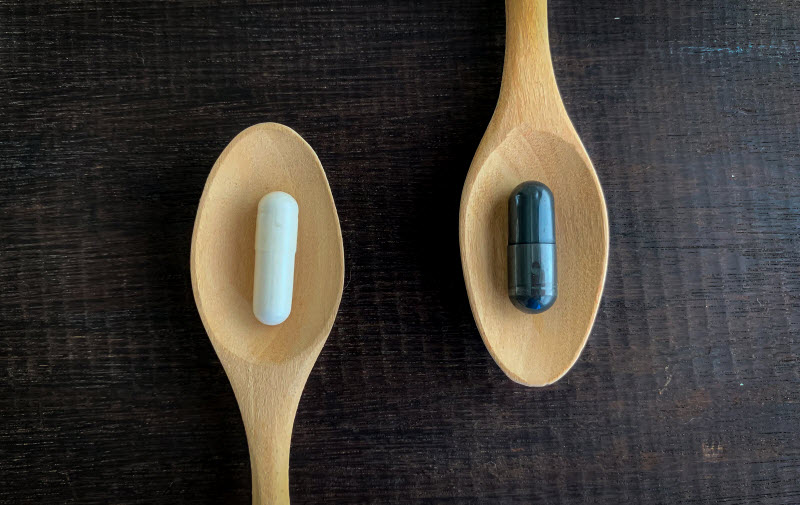
How gut health differs for men and women
The gut microbiome has been of particular interest to both the scientific community and the general public in the recent past. Research has linked the activity of microbes in your gut to weight control, heart health, immune function, mental health and more.
Microbial imbalances are likely behind some of the gut issues both men and women experience. However, some differences in prevalence come down to simple biology.
Men, for example, have shorter colons than women, and their digestive systems don’t have to compete for space with as many reproductive organs. However, men produce more stomach acid, which can lead to problems with heartburn.
Higher testosterone levels may influence ulcer and colon polyp formation, as well.
In
women, both the
stomach and the colon empty more slowly, which means it takes longer to digest food. Hormonal fluctuations during menstruation, pregnancy and menopause can alter digestive function, leading to increased bloating and pain. Female hormones
may also increase inflammation; this could explain why women tend to suffer from gastritis more than men.
Prevalence of digestive disorders
These physical differences mean men and women experience varying degrees of digestive distress from common disorders.
Men tend to have more:
Inflammation and general discomfort appear more often in
women, who are:
- Two to six times more likely to have IBS
- Three times more likely to experience constipation
- Two times more likely to have IBD
- More likely overall to experience bloating, nausea and/or changes in bowel movements
Of all major digestive issues, IBD – such as Chron’s disease and ulcerative colitis – has the least disparity between genders. However, symptoms aside from the digestive distress associated with these diseases manifest differently in men than in women.
Food and lifestyle influences on gut health
It’s no secret that food contributes to gut health. After all, your gut microbes eat what you eat! Dietary choices have a direct effect on species diversity and population, but these
effects appear to differ between genders.
Scientists aren’t yet sure why men’s and women’s microbiomes don’t respond the same way to identical diets. It could be due to hormonal influences or differences in immune function, which could determine which microbes thrive and which die off.
When it comes to lifestyle, stress and medication use are two of the biggest factors affecting the microbiome. Women usually report feeling more stressed than men and tend to take more NSAIDs, opiates, laxatives and antibiotics, all of which can have a negative impact on digestive health. Hormones in contraceptive pills can also influence microbial balance and diversity.
Gender’s effect on microbial composition
Microbial diversity seems to be relatively the same in men and women until puberty. This suggests hormones have an effect on the number and types of species present. Due to hormonal differences,
women’s microbiomes may mature and diversify earlier than men’s.
Both the vaginal microbiome and microbial species found in prostate fluid play additional roles in women’s and men’s health. While there’s a known association between vaginal microbe imbalances and yeast infections, more research is needed to understand the influence of the prostate microbiome.
Probotics for women vs. probiotics for men
Women’s probiotics are often formulated to maintain a healthy balance in both the gut and vaginal microbiomes to
reduce the risk of yeast overgrowth.
† Look for formulas with
Lactobacillus strains, including:
- rhamnosus
- reuteri
- plantarum
Some of these strains may also support immune health and reduce bloating.
† Bifidobacterium strains like
B. longum and
B. infantis, can provide additional support.
†
Men and women in the later stages of life may benefit from probiotic formulas designed for seniors. Changes in hormone balances in women and
prostate health in men occur with age, and taking a probiotic may help prevent decreases in microbial diversity associated with declining health.
†
You may have to experiment with different probiotic formulas to find the best match for your body and your individual digestive needs. You’ll get the best results if your support your new community of “good bugs” with a high-fiber diet rich in whole plant foods.
While probiotics can help ease GI distress, they’re not a cure for serious digestive disorders. Talk with your doctor if you’re experiencing recurring pain, bloating, uncomfortable bowel movements or other symptoms, as these may indicate the need for targeted treatment.
†These statements have not been approved by the Food and Drug Administration. These products are not intended to diagnose, treat, cure or prevent disease.
Featured probiotics for women:


Featured probiotics for men: