[vc_row][vc_column][vc_column_text]You may be aware that microplastics are present in drinking water, food, lakes, rivers and oceans. But do you realize they’re also floating around in the indoor air we breathe?
A small-scale
French study of three apartments and two cars found that more than 90% of the plastic particles detected in the air were smaller than 10 micrometers. There are 25,400 micrometers in 1 inch.
Microplastic particles, which are less than 5 millimeters in size, are either intentionally manufactured or result from the breakdown of larger plastic items,
according to the U.S. Environmental Protection Agency (EPA). A pencil eraser measures about 5 millimeters.
Intentionally manufactured microplastics are found in cosmetics and other consumer products, the EPA says. Broken-down microplastics come from sources such as plastic food wrap, tires and synthetic textiles.

Microplastics in the air: an ‘invisible threat’
Nadiia Yakovenko, a researcher at France’s Université de Toulouse who co-authored the study, calls airborne microplastic particles “an invisible threat.”
The microplastics concentration detected by Yakovenko and fellow Université de Toulouse researcher Jeroen Sonke in 2023 was 100-fold beyond previous estimates of the presence of airborne microplastics.
“These particles are smaller than a speck of dust and more than seven times thinner than the width of a single strand of hair. Upon inhalation, they can penetrate deep into the lungs,”
says Yakovenko.
Yakovenko notes that people spend an average of
90% of their time indoors, “and all the while they are exposed to microplastic pollution through inhalation without even thinking about it.”
“We often associate plastic pollution with oceans or industrial areas,” she says, “but our findings showed that the everyday indoor environment where we spend most of our time can be a major source of human exposure. The number of particles we found was both surprising and concerning, and is the result of the degradation of numerous plastic objects in our homes, including carpet, curtains, paint, textiles and other household items.”
How do microplastics harm your health?
According to a study published in 2023 by the Yonsei Medical Journal, the
harmful effects of microplastics on our health include:
- Irritation of the gastrointestinal tract, possibly causing inflammation and leading to various gastrointestinal issues such as abdominal pain, bloating and changes in bowel movements.
- Absorption of environmental toxins such as heavy metals, triggering problems such as nausea, vomiting and abdominal pain.
- Oxidative stress in the airways and lungs, prompting respiratory problems such as coughing, sneezing and shortness of breath due to inflammation and damage, as well as fatigue and dizziness due to a low concentration of blood oxygen. Oxidative stress involves an imbalance between free radicals and antioxidants that can cause cell and tissue damage.
- Interference with the production and release of hormones, potentially leading to metabolic, developmental and reproductive disorders.
In addition, exposure to microplastics heightens the risk of cardiovascular disease and cancer.
How to protect yourself from microplastics
To help keep microplastics out of your system:
- Avoid buying water in plastic bottles. Instead, use steel or glass bottles.
- Cut back on consumption of red meat. “Many chemicals like to hang out in fatty food, so reducing your red meat intake is … a good way to reduce chemical exposures,” says microplastics researcher Tracey Woodruff, a professor at the University of California, San Francisco.
- Reduce the amount of plastic you use day to day. For instance, consider storing leftovers in glass or metal containers instead of plastic containers.
- Don’t reheat food when it’s in plastic containers. Consumer advocacy group PIRG suggests relying on non-plastic plates or glass containers when warming up food in a microwave oven.
- Clean your house regularly. “Dust in our homes can contain microplastics, so cleaning frequently can help prevent microplastic exposure,” says PIRG. “Vacuuming is found to be more effective at preventing microplastic inhalation than sweeping.”
- Reduce consumption of processed foods. High concentrations of microplastics have been discovered in processed foods, according to PIRG.
- Filter tap water. “Filtering water can help with minimizing microplastic, but do your homework. Not all filters are the same and some can add microplastic to your water,” PIRG says.
- Steer clear of cosmetics that contain micoplastics. A study of more than 7,000 products from the four largest cosmetics manufacturers in Europe revealed that 90% of their products contained microplastics.
- Use HEPA filters. HEPA filters. can help capture airborne microplastics, according to PIRG, “though they will not be able to filter the smallest particles.”
- Switch to reusables. Reusable coffee mugs, water bottles, takeout containers and grocery bags can help decrease use of single-use plastic and therefore minimize potential exposure to microplastics, says PIRG.
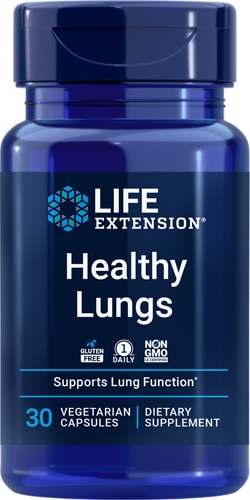
[/vc_column_text][/vc_column][/vc_row][vc_row][vc_column][vc_text_separator title="Featured Products" border_width="2"][vc_row_inner equal_height="yes" content_placement="middle" gap="35"][vc_column_inner width="1/3"][vc_single_image image="188029" img_size="full" alignment="center" onclick="custom_link" img_link_target="_blank" css=".vc_custom_1757973822791{padding-right: 7% !important;padding-left: 7% !important;}" link="https://www.vitacost.com/life-extension-healthy-lungs"][/vc_column_inner][vc_column_inner width="1/3"][vc_single_image image="188030" img_size="full" alignment="center" onclick="custom_link" img_link_target="_blank" css=".vc_custom_1757973840825{padding-right: 7% !important;padding-left: 7% !important;}" link="https://www.vitacost.com/natures-craft-lung-cleanse-detox"][/vc_column_inner][vc_column_inner width="1/3"][vc_single_image image="188031" img_size="full" alignment="center" onclick="custom_link" img_link_target="_blank" css=".vc_custom_1757973886077{padding-right: 7% !important;padding-left: 7% !important;}" link="https://www.vitacost.com/terry-naturally-bosmed-respiratory-support"][/vc_column_inner][/vc_row_inner][/vc_column][/vc_row]