skip to main content

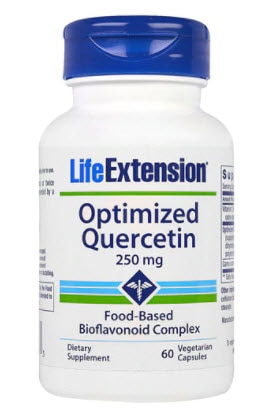
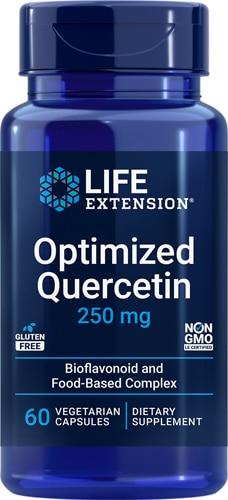
Life Extension Optimized Quercetin -- 250 mg - 60 Vegetarian Capsules


Life Extension Optimized Quercetin
  • Our price: $15.00

    $0.25 per serving

  • +

Added to My List as a guest.

Your guest list will be saved temporarily during your shopping session.

Sign in to add items to your saved list(s).

1 item added to your list

Life Extension Optimized Quercetin -- 250 mg - 60 Vegetarian Capsules

Oops! Something went wrong and we were unable to process your request. Please try again.

  • Guaranteed Authentic

    100% Authentic

    • ✓ Products sourced directly from brands or authorized distributors
    • ✓ No third-party resellers
    • ✓ Products stored and shipped in conditions that ensure quality
    • ✓ Vitacost is 100% committed to your well-being and safety

Life Extension Optimized Quercetin Description

  • Optimized Quercetin combines a 250 mg dose of standardized quercetin, a nutritious bioflavonoid, with vitamin C from camu-camu berry extract to support a healthy seasonal immune response.
  • Quercetin helps maintain already healthy cholesterol levels.
  • This formula is gluten-free, non-GMO and vegetarian.
  • Each bottle contains 60 vegetarian capsules, enough for a 1-2 month supply. Manufactured in the USA.

Quercetin is an antioxidant that supports healthy nitric oxide levels. Quercetin helps maintain cardiovascular health: it encourages already healthy blood pressure levels, and when taken regularly over time, it can help support cholesterol levels already within normal range.


Our Optimized Quercetin blend also contains vitamin C, an optimized food blend from onions, bitter orange, and apple, and camu-camu (Myrciaria dubia) berry extract. Camu-camu is a tropical fruit rich in vitamin C. These nutrients were included as sources of quercetin, vitamin C, and other phytonutrients for added antioxidant support.

  • The Health Benefits of Red Grapes, Onions & Apples – Quercetin is a flavonoid found in red grape skins, red onions, apples and other food sources. It supports healthy cellular function, cardiovascular health and encourages a healthy immune response, especially to seasonal challenges
  • Extra Immune Support - While quercetin is known for immune health benefits, it comes with a supporting cast in our formula. Our Optimized Quercetin is augmented with vitamin C and camu-camu extract for additional immune support
  • Quercetin & Your Heart - Quercetin promotes cardiovascular health by protecting the integrity of your vascular endothelium. It also supports already-healthy cholesterol levels
  • Ingredients matter – We use only the finest raw ingredients with the purity and potency you deserve. The majority of our products are non-GMO, gluten-free and manufactured in the USA—and a Certificate of Analysis is available for everyone.?
  • Live your healthiest life - For over 40 years, we’ve been developing advanced, effective formulas made with the highest standards and based on the latest scientific findings. We believe the answers to a healthier, richer life are within reach, and that rigorous scientific research is the path to get us there. That’s why so many of our nutritional formulas are designed using specific ingredients and amounts based on scientific studies.


Directions

Take one (1) capsule once or twice daily, or as recommended by a healthcare practitioner.

Free Of
GMOs, gluten.

*These statements have not been evaluated by the Food and Drug Administration. This product is not intended to diagnose, treat, cure, or prevent any disease.


Supplement Facts
Serving Size: 1 Vegetarian Capsule
Servings per Container: 60
Amount Per Serving% Daily Value
Vitamin C (from ascorbic acid, camu-camu berry extract)30 mg33%
Quercetin (as quercetin dihydrate)250 mg*
Optimized Food Blend
[Onion (bulb) (extracts), bitter orange bioflavonoids (peel and fruit), apple (fruit)]
220 mg*
Camu Camu extract (wildcrafted berry)50 mg*
*Daily value not established.
Other Ingredients: Microcrystalline cellulose, vegetable cellulose (capsule), maltodextrin, silica, vegetable stearate.
Warnings

Do not exceed recommended dose. When using nutritional supplements, please consult with your physician if you are undergoing treatment for a medical condition of if you are pregnant or lactating.

The product you receive may contain additional details or differ from what is shown on this page, or the product may have additional information revealed by partially peeling back the label. We recommend you reference the complete information included with your product before consumption and do not rely solely on the details shown on this page. For more information, please see our full disclaimer.
View printable version Print Page

Quercetin: The Antioxidant Everyone’s Talking About Right Now.

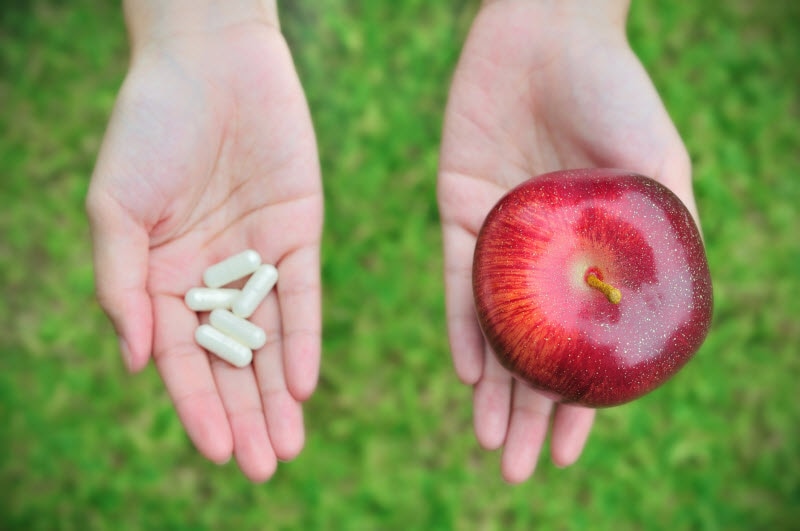
An apple a day may keep the doctor away for a very specific reason. The fall fruit, in all of its wonderful varieties, contains a compound that provides tremendous benefits. Its name? Quercetin. Technically a plant pigment (or polyphenol), the bioflavonoid encourages an array of health-boosting pluses. Read on to learn more about quercetin—and why you might want to bring more of it into your diet. Concept of What Does Quercetin Do Represented by Apple and White Capsules Held in Woman's Hands Over Green Background | Vitacost.com/blog
What does quercetin do?

Bioflavonoids may organically promote normal healthy sinus, respiratory and immune function. What’s more, they offer antioxidant activity to help fight free radical damage, as well as nutritive support to help maintain normal capillary permeability (read: optimal blood flow and capillary wall stability). Quercetin may also inhibit the manufacture and release of histamine and other inflammatory mediators, just as it may help support a healthy inflammatory response. In addition, quercetin provides cardiovascular support and may help support healthy cholesterol levels. Given that your body cannot produce bioflavonoids on its own, it’s vital to receive a supply through diet and supplementation.

How much quercetin do I need?

Lucky us, as quercetin is abundant in a number of fruits and vegetables, and most of us get between 5 and 40 milligrams of quercetin per day through food. If supplementing, the most common dose is 500 mg per day, up to twice a day.

What are the signs that I’m not getting enough?

Bioflavonoids operate as potent antioxidants, which, as mentioned, help combat free radical damage and the accelerated aging and risk of disease that arrives with it. While it’s difficult to discern whether you’re getting enough antioxidants, your health care provider can analyze if you’re under oxidative stress through a number of tests. These include assessing whether you have adequate reserves of antioxidants in general, and blood tests to determine if you have systemic inflammation. For the most part, however, you can simply tap into how your body feels. Do you have energy? Mental clarity? Sound digestion? If not, it may be wise to not only redo your diet but also consider supplementing.

What are the best quercetin foods?

A number of delicious foods boast excellent amounts of quercetin—and you may be eating plenty of them already. These include those aforementioned apples (particularly Gala apples and Red Delicious apples), watercress, asparagus, buckwheat, onions, red leaf lettuce, kale and figs. Several berries are also rich in quercetin, including cranberries, blackberries, and blueberries. Herbs abound with quercetin, too, such as parsley, sage, stinging nettle and cilantro. And if green tea is your go-to drink, good on you: it contains high amounts of the bioflavonoid.

Is it possible to have too much quercetin?

Absolutely. Very high doses of quercetin may damage the kidneys.

Are there any side effects of quercetin supplements?

Yes to this too. While quercetin is generally considered safe, side effects may include headaches and an upset stomach. Additionally, pregnant women, breastfeeding women and people with kidney disease should avoid using quercetin, as well as anyone who is taking antibiotics, blood thinners, corticosteroids, cyclosporine, digoxin, fluoroquinolones and medications changed by the liver.

Should I take a quercetin supplement?

People choose to take quercetin for a range of reasons but oftentimes it’s used to bolster immunity, manage allergies and improve athletic performance (do note, however, that studies on quercetin’s impact on these potential benefits is limited, and scientists agree that more research on humans is needed). What’s more, your body has a difficult time absorbing quercetin properly, so taking a supplement makes sense if you’re keen on increasing your intake. If it sounds appealing to you, consult with your healthcare provider—and if you get the green light, be sure to choose a quality product that’s made with non-GMO ingredients. One to try: Bluebonnet Nutrition's Super Quercetin. In addition to being gluten-free, vegan, and kosher, this quercetin-rich formula contains a handful of health-enhancing nutrients, including skin-saving vitamin C, digestion-boosting bromelain and mineral-brimming rose hips. Prefer to get your quercetin from food alone? Certain studies suggest that eating the bioflavonoid alongside heart-healthy fats can improve absorption—just in case you needed another reason to order that extra side of avocado. These statements have not been approved by the Food and Drug Administration. These products are not intended to diagnose, treat, cure or prevent disease.

Featured products:
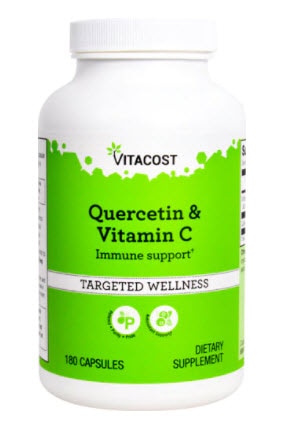
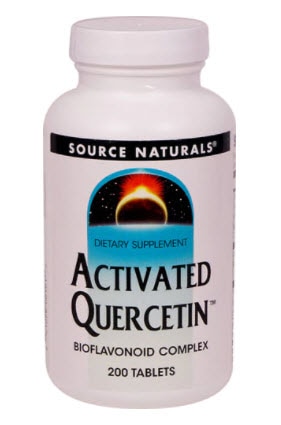
Vitacost Quercetin & Vitamin C | Vitacost.com/blogSource Naturals Activated Quercetin | Vitacost.com/blogLife Extension Optimized Quercetin | Vitacost.com/blog
Please enter a valid zip code
FLDC19