



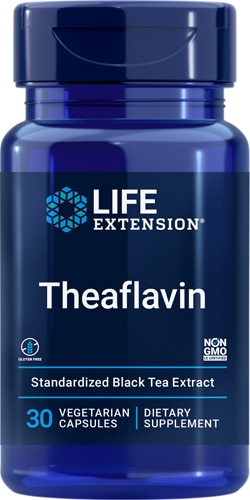
Using herbs to support human health is a centuries-old tradition. In fact, the practice has only become more prevalent with the development of science and technology. Chemists have found new ways to preserve and utilize herbs, which has led to a greater variety of herbs and a wider selection of herbal forms. While using the whole herb is still a time-tested choice, it’s not you’re only option. Today, one of the more common forms you’ll see is the standardized herbal extract.
So, what is a standardized extract? Are standardized herbal extracts better than whole herbs? As a consumer, these are important definitions and differences to understand. But once you’re informed, you’ll feel much more confident filtering through the vast field of herbal extracts.
What is a Standardized Herbal Extract?
The simplest standardized extract definition is this: standardized herbal extracts are supplements that provide a specific concentration of one or more chemical compounds.
Scientists and supplement manufacturers use a process that involves pressure, heat and various solvents – like water or alcohol – to extract the targeted compound from the whole herb. The herbal extracts are then blended with different types of excipients (aka fillers and binders) to hold everything together in a capsule or tablet.
As a result, the final supplement includes an exact amount of the chemical compound derived from the herb. This process also ensures that the same amount of the compound is included in every batch of the same herbal extract. In other words, it standardizes the concentrations from batch-to-batch.
The benefits of standardization
“Generally, people are taking herbs in supplement form for a particular health benefit. For example, using garlic as a supplement is often targeting increasing the immune system, reducing blood pressure, or lowering cholesterol,” says Ginger Hultin, MS, RDN, CSO, Seattle-based registered dietitian nutritionist and Spokesperson for the Academy of Nutrition and Dietetics.
Of course, like any nutrient, how much you consume matters. With standardized herbal extracts, you know you’re getting a sufficient amount of the beneficial compound, as determined by scientific evidence.
“Studies are done on animals and humans that try to identify how much of the herb you need to get to achieve the health results and supplement bottles are often standardized to the amount needed to achieve a health outcome so, as a consumer, you want to know that you're getting what you need, and also not excessive amounts that could create ill effects,” Hultin explains.
The standardization process also offers a sense of control and guidance, which can simply bring peace when you’re first starting to take herbal supplements.
The drawbacks of standardized herbal extracts
While standardized extracts are derived from real, whole plants, they don’t necessarily possess the benefits of the whole plant. Fruits, vegetables, spices and herbs all contain a variety of phytonutrients – the protective compounds plants need to survive. When these phytonutrients remain together, a synergy occurs. This synergy creates a greater effect than any of the compounds can on their own.
Many standardized herbal supplements isolate nutrients to supply a high concentration of that extract. But nature tells us that the health benefits of these herbal extracts may be more powerful when they have the support of the other compounds found in the whole herb.
That leads to the next question…
What are Whole Herbs?
Whole herbs are exactly that – whole herbs. To preserve whole herbs, they are either dried or processed with a solvent.
This is the original form of herbal supplementation. Ancient healers didn’t have the luxuries of science and technology that are available today. So, they made do with the whole herb, either fresh or dried. It was through basic trial and error that people learned how to best use each herb.
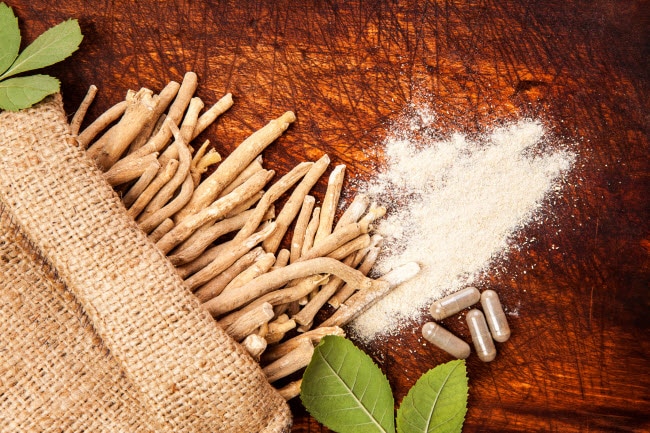
For instance, an evergreen plant like ashwagandha has many parts. However, it’s the root and orange-red fruit that are used medicinally. The elderberry plant, on the other hand, is exploited for its berries, leaves and flowers. That’s where you can, purportedly, find its most promising benefits.
When it comes to consuming whole herbs today, you will most likely take them in a capsule, tablet or liquid tincture. They may be formulated on their own as a single nutrient, or you may find whole herbs mixed into food-based supplements – those made with concentrated or dehydrated whole foods, herbs and spices.
The benefits of whole herbs
As previously discussed, whole herbs provide nutrient synergy. This happens because all the constituents of the herb remain intact. Manufacturers have not removed any one component or tinkered with the genetic makeup of the herb in a way that would alter the natural concentrations of its chemical compounds.
The drawbacks of whole herbs
All the said, there are certain things that can change the components of whole herbs. Hultin explains: “The vitamins, minerals and antioxidants in a given food could have natural variation depending on where and how it's grown.”
The soil it’s grown in, the types of pest-control used, the time of year the herb is harvested, the weather patterns and the air quality are only some of the factors that influence individual plants. You also have to consider the part of the plant that is extracted – root, stem, leaves, fruit – and the processing method employed. Every farm and every manufacturer is different. Even within the same farm or source, generations of a plant can evolve.
In other words, whole herbs do not guarantee uniformity and, therefore, may have varying levels of potency and health benefits.
What do You Look for in Herbal Extracts?
As you can see, there may not be a perfect choice between a standardized extract and whole herbs. The best advice is to weigh the pros and cons of each and determine the factors that are most important to you and your health goals.
“When I’m assessing an herbal supplement, I want to know right away exact what is in it and in what amounts,” emphasizes Hultin. “To understand what to aim for in a product, meet with your doctor, naturopath, herbalist and/or dietitian, who can guide you in what the research deems is necessary.”
If you’re looking for standardized herbs, check the Supplement Facts panel to see if it says “standardized” and to what percentage. Make sure it aligns with what your healthcare provider recommended.
In fact, taking the time to read labels carefully before you buy herbal supplements is always a smart idea – regardless of whether they’re made of standardized extracts or whole herbs.
