[vc_row][vc_column][vc_column_text][/vc_column_text][/vc_column][/vc_row][vc_row][vc_column][vc_column_text]In the world of food, protein is eating up tons of attention.
A 2025 survey conducted by the International Food Information Council found that
71% of American adults are trying to add protein to their diets. That’s up from 67% in 2023 and 59% in 2022.
In conjunction with that finding, “
high-protein diet” ranked as the most popular diet, protein topped the list of most sought-after nutrients and
protein reigned as the top characteristic associated with healthy food, the survey showed.
“When one nutrient wears all three crowns, it is not only time to take notice, but time to ask better questions and dig deeper,” dietitian nutritionist Wendy Reinhardt Kapsak, president and CEO of the council, said in the news release.
So, let’s dig deeper into America’s obsession with protein.
What’s behind the protein craze?
As noted by Kapsak, trends in weight management, fitness and
healthy aging are driving some of the drivers of our fascination with protein.
On the weight management front, Boston University emphasizes that protein intake is particularly important for the millions of Americans using
semaglutide drugs for weight loss. That’s because these drugs can dramatically reduce your appetite, prompting the need for a higher level of protein consumption.
The protein craze goes well beyond those factors, though.
Walk down any grocery aisle these days, and you’ll spot all sorts of
products pumped up with protein — a trend that feeds our passion for protein. These products include
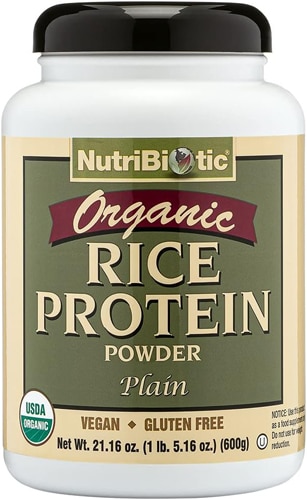
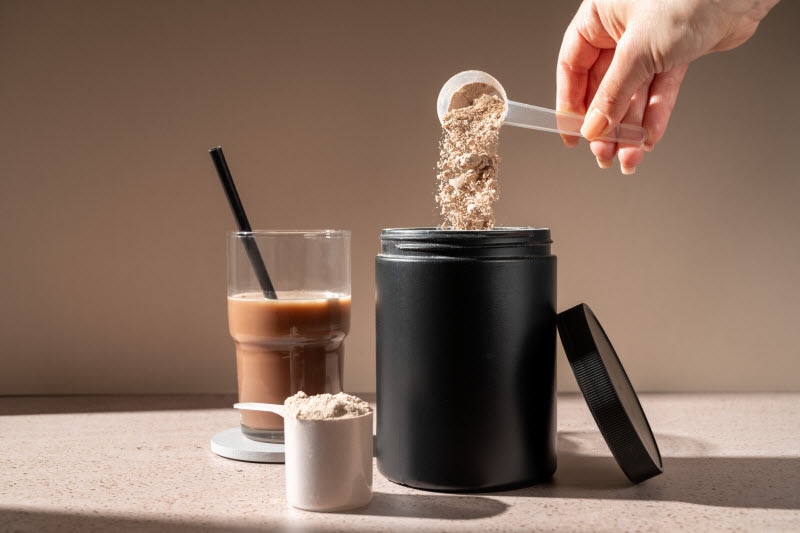
protein powders,
high-protein nutrition bars and waffles,
protein-laced pasta and ramen noodles,
protein-spiked coffee and
protein-enriched overnight oats.
Then, of course, you’ve got a cartload of foods that naturally contain lots of protein and have grown in popularity. Among them are eggs, Greek yogurt, edamame,
chickpeas,
lentils,
salmon,
tuna,
quinoa,
almonds and
pistachios.
Some experts even point to social media influencer Brian “The Liver King” Johnson as a contributor to our fixation on protein. Netflix, which aired a
documentary on the bearded, shredded Johnson, says The Liver King “built an online fitness empire by devouring raw meat and promoting an all-natural ‘ancestral lifestyle’.” That lifestyle relies on massive amounts of protein.
“Brian’s intake of raw meat consumption paired with whole, unprocessed foods can provide an abundance of protein, dietary fiber, vitamins and minerals that can promote overall health,” registered dietitian nutritionist Shelley Balls
told Newsweek.
However, Balls added, consuming so much raw meat can put someone at risk for
foodborne illnesses.
Vanity Fair maintains that
podcasting “bros” like Joe Rogan are also fueling the protein fire by regularly chatting about protein-filled diets and protein supplements. But it’s not just the dudes who are promoting protein. Prominent online personalities Mary Claire Haver and Gabrielle Lyon target their pro-protein content toward women, according to Vanity Fair.
Other elements of pop culture play a part, too. For example, the latest season of HBO Max’s popular series “The White Lotus” features a character played by Patrick Schwarzenegger (son of Arnold) who constantly
gulps down protein smoothies. And social media platforms like Instagram and TikTok are chock-full of videos that share
protein-packed recipes,
PBS News noted.
How do you know if you’re protein-obsessed?
Aside from furiously checking food labels for protein content and obsessing over every gram, how can you tell if you’ve
gone overboard with protein? Here are four telltale signs.
1. You’ve got bad breath
Dentists at the Texas A&M Health Science Center’s Baylor College of Dentistry have concluded that popular high-protein, low-carbohydrate diets
can cause bad breath.
“High-protein foods set off a chemical chain of events once the body starts digesting them. An excess amount of proteins means the body can’t break them down efficiently, resulting in excess amino acids. These amino acids combine with anaerobic bacteria, which are responsible for cavities and decay in the mouth,” Texas A&M explains. “The result is that noxious sulfur compound that can be smelled on the breath.”
2. You’ve come down with keto flu
If you’re following the low-carb, high-fat, protein-dependent
keto diet, you might experience symptoms of an affliction called
keto flu. Symptoms may appear two to seven days after beginning a keto diet and include headache, brain fog, fatigue, sleep problems, irritability, nausea and constipation, according to Harvard Health Publishing.
3. You’re depending too much on protein supplements
Consumption of
protein supplements — such as powders, gummies and ready-to-drink shakes — can be beneficial. A paper published by Baylor University Medical Center Proceedings praises these
supplements as an “excellent” way to increase protein intake, build muscle, enhance athletic performance and improve recovery from workouts.
†
However, protein supplements can be harmful as well. Potential side effects of overconsumption of protein supplements include dehydration, hair loss, acne, digestive issues, weight gain, low blood pressure, kidney damage, liver damage and hormone disruption.
In addition, protein powders
might contain heavy metals such as arsenic, cadmium and lead, posing significant health hazards, according to Texas Health Resources.
4. You’re ignoring other vital nutrients
Are you casting aside other nutrients in favor of loading up on protein? If so, you might be experiencing protein-itis. Instead of being laser-focused on protein, you should maintain a balanced diet with the proper amount of protein, carbs, fats, vitamins and minerals.
How much protein should you consume?
Health care professionals worry that many Americans — especially men ages 19 to 59 — are consuming too much protein. So, how much protein do you actually need?
The Mayo Clinic Health System explains that
protein should account for 10% to 35% of your calories. That means if you stick to a 2,000-calorie-per-day diet, 200 to 700 of those calories should come from protein. This recommendation equates to 50 to 175 grams of protein per day.
A lot of Americans are in the dark about how much protein should be in their diet. The survey by the International Food Information Council indicated that 79% of Americans were either unaware or unsure about the right amount of protein to consume.
Your age, level of physical activity and weight may dictate adjusting your daily protein intake. If you’re uncertain about how much protein you should be consuming, an online protein calculator, health care provider, dietitian or nutritionist should be able to help determine what your ideal protein level is.
†These statements have not been approved by the Food and Drug Administration. These products are not intended to diagnose, treat, cure or prevent disease.[/vc_column_text][/vc_column][/vc_row][vc_row][vc_column][vc_text_separator title="Featured Products" border_width="2"][vc_row_inner equal_height="yes" content_placement="middle" gap="35"][vc_column_inner width="1/3"][vc_single_image image="188624" img_size="full" alignment="center" onclick="custom_link" img_link_target="_blank" css=".vc_custom_1759501085705{padding-right: 7% !important;padding-left: 7% !important;}" link="https://www.vitacost.com/munk-pack-probiotic-protein-breakfast-bar-chewy-cocoa-crisp"][/vc_column_inner][vc_column_inner width="1/3"][vc_single_image image="188621" img_size="full" alignment="center" onclick="custom_link" img_link_target="_blank" css=".vc_custom_1759501122081{padding-right: 7% !important;padding-left: 7% !important;}" link="https://www.vitacost.com/the-feel-bar-organic-gluten-free-vegan-protein-bars-with-lions-mane"][/vc_column_inner][vc_column_inner width="1/3"][vc_single_image image="188622" img_size="full" alignment="center" onclick="custom_link" img_link_target="_blank" css=".vc_custom_1759501196402{padding-right: 7% !important;padding-left: 7% !important;}" link="https://www.vitacost.com/legion-athletics-protein-cereal"][/vc_column_inner][/vc_row_inner][/vc_column][/vc_row]