[vc_row][vc_column][vc_column_text]With toddlers, mealtimes can be a ton of work. So when you go through all the effort to buy, prepare and serve
food to your toddler only to have them refuse, or even throw it on the floor/wall/table, the mounting frustration is understandable. Like many parents, you may have tried tactics like bargaining, bribing or even begging your little one to eat the food. While these tactics are logical, they often don’t work and can even make the issue of your toddler not eating even worse.
That’s why it’s helpful to know what’s normal and what things you can do that might actually help if your toddler won’t eat.
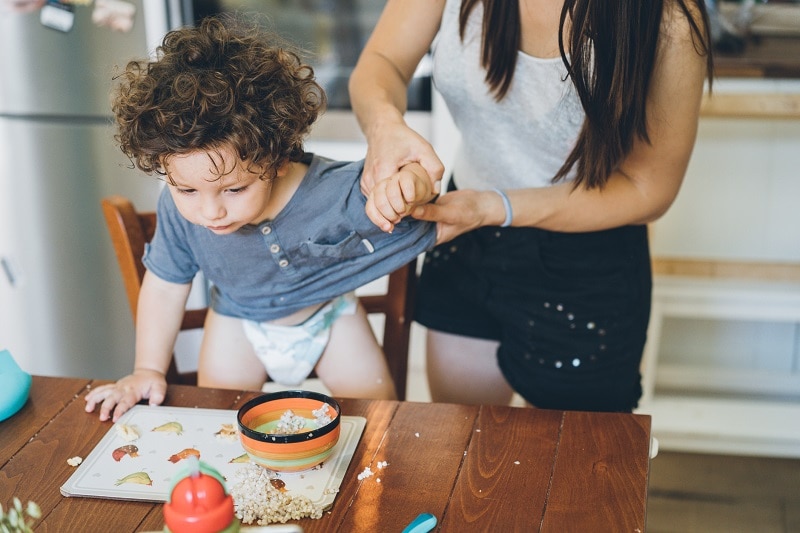
My Toddler Won’t Eat. What’s Normal?
Toddlers are notorious for being
picky eaters. What’s more, the foods they are picky about can change from day to day or even hour to hour. They may decide they like a food one day, only to refuse it the next, or even at the next meal. Sometimes, they may even start eating a food but then refuse to eat more of it, stating they don’t like it anymore.
Toddlers are also known for having big fluctuations in their appetites. They may seem like a bottomless pit some days, while on other days they may only nibble a few bites all day long. As frustrating as it is, there are a few reasons why both picky eating and big swings in appetite are very normal and even appropriate things for toddlers.
First, picky eating often develops out of a toddler’s developing sense of autonomy. They’ve discovered that they have a say in things now, including what and when they eat. In addition, toddlers tend to gravitate to what’s familiar and have a fear of new foods. Each of these things cause them to become more selective in their food choices, which means they are more likely to refuse eating if it’s not what they want.
Secondly, a toddler’s appetite
naturally tends to decline between the ages of one to five years old when their growth slows down compared to when they were young babies. Factors such as a toddler's age, speed of growth, physical activity and unique metabolism all play a big role in how hungry they may be. Yet while their day to day food intake may vary greatly,
research reports that their average total energy intake remains fairly constant and that healthy children have a remarkable capacity to maintain their energy balance over time when offered a variety of foods.
So while it may seem like your toddler won’t eat out of defiance, it may just be that they are engaging in a normal part of their development. Still, there are things you can do to help foster a healthy appetite and ability to regulate their own food intake.
What should I do when my toddler won’t eat?
While picky eating and fluctuating appetites are normal and not generally a major cause for concern, it is common to worry when your toddler goes on a hunger strike. You may wonder if they are getting the right
nutrition and worry that their health will be harmed if they don't eat something (or a larger variety of things) soon.
Here are some helpful things you can do when your toddler refuses to eat:
1. Remind yourself that it's normal.
While a refusal to eat is frustrating, it’s important to keep in mind what’s normal and to brush off the rest. Pediatricians often advise parents to look at the whole week and not just an individual day of eating. Just like it is with healthy eating, it’s the big picture that matters more than each individual meal.
2. Don’t force or bribe.
As mentioned, toddlers have a big need for autonomy, i.e. making their own decisions. If pressured or forced to eat when they don’t want to, it may actually cause them to resist eating even more. In addition, bribing a child can teach them to ignore their own hunger and fullness cues and eat out of the sole desire to get something else, which isn’t developing a healthy relationship with food.
It’s best to avoid the power struggles and leave it up to your child whether they choose to eat or not (while making sure they understand that you aren’t offering other foods right now and there won’t be another eating opportunity until later).
3. Keep offering.
Kids rarely accept new foods the first time, or even the fifth time. Rather, toddlers may need as many as
15 exposures before accepting a new food. This need for frequent exposure may apply to foods they are already familiar with as well.
Even if your toddler seems to not want to eat, it is still helpful and appropriate to offer food to them on a consistent basis. This helps build trust in them that food is frequently available, and allows them to better self-regulate their appetite.
4. Keep portion sizes age-appropriate.
Seeing too much food on a plate can be overwhelming for a child, even to the point where they don’t want to eat any at all. Try to serve smaller portions of food at a time, making sure your child understands that they can always have more if they are still hungry.
5. Be a good role model.
Children learn by example, so allow your child to see you eating as often as possible, such as by having family meals. You might also try talking about food in a neutral, non-coercing way, such as by discussing its texture, flavor, color and why eating more than one type of food helps you feel your best.
6. Make meal and snack times a positive experience.
Kids are naturally more likely to want to eat if the environment they do so in is a
positive one. Try to make meal and snack times exciting by allowing your child to help pick out what they want to eat, or even help prepare it. When it’s time to eat, try turning off or putting away distractions like TV and toys and instead engage with your child by talking about happy things or about things you notice about the food itself.
Once your child does decide to eat, it’s okay to give them praise for their decision, but not so much that they eat only out of a desire for praise. Be sure to praise them for other things, too, and to not look down upon them when they decide not to eat.
When should you call the doctor?
A toddler not eating is not always a cause for concern, unless it becomes a long-term problem or is accompanied by other symptoms. In some cases, reaching out to a pediatrician or feeding therapist for professional support is warranted.
Here are some things that may signal it’s time to call the doctor:
- They are losing weight
- They frequently complain of negative symptoms such as a tummy ache or nausea when food is offered or eaten
- They experience diarrhea or constipation associated with eating, or a lack thereof
- They seem overly anxious around food
- They refuse to eat entire food groups or category of food (such as crunchy foods) for an extended period of time
- They refuse to eat anything for several days in a row
- They frequently have strong emotional responses to food, such as tantrums
- You have other feeding concerns that you’d like to discuss with a doctor
In summary
Toddlers' appetites and desire to eat is ever-fluctuating. As a parent, it’s not your job to force your child to eat but simply to offer the opportunity to do so. It’s normal for a child to skip a meal or a snack from time to time. They won’t starve but will learn how to self-regulate their appetites. If your toddler not eating becomes a bigger or more frequent issue, it’s never a bad idea to reach out to their pediatrician for some further input and guidance.[/vc_column_text][/vc_column][/vc_row][vc_row][vc_column][vc_text_separator title="Featured Products" border_width="2"][vc_row_inner equal_height="yes" content_placement="middle" gap="35"][vc_column_inner width="1/3"][vc_single_image image="172338" img_size="full" alignment="center" onclick="custom_link" img_link_target="_blank" css=".vc_custom_1705690731862{padding-right: 7% !important;padding-left: 7% !important;}" link="https://www.vitacost.com/gogo-squeez-happy-tummiez-organic-apple-banana-stawberry-pouches"][/vc_column_inner][vc_column_inner width="1/3"][vc_single_image image="172339" img_size="full" alignment="center" onclick="custom_link" img_link_target="_blank" css=".vc_custom_1705690746152{padding-right: 7% !important;padding-left: 7% !important;}" link="https://www.vitacost.com/maryruths-organics-organic-toddler-multivitamin-iron-liquid-drops"][/vc_column_inner][vc_column_inner width="1/3"][vc_single_image image="172337" img_size="full" alignment="center" onclick="custom_link" img_link_target="_blank" css=".vc_custom_1705690766138{padding-right: 7% !important;padding-left: 7% !important;}" link="https://www.vitacost.com/bare-non-gmo-baked-crunchy-banana-chips-strawberry-2-7-oz"][/vc_column_inner][/vc_row_inner][/vc_column][/vc_row]