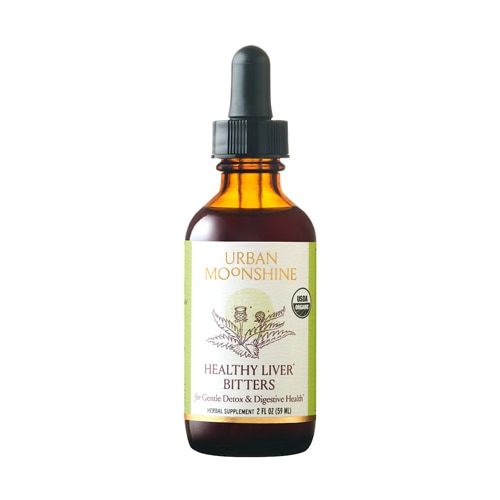
When you're suffering with uncomfortable gut symptoms like heartburn, bloating, gas, nausea and cramps, you want something to give you fast relief. Digestive bitters promise that relief, but do they really work?

What are digestive bitters?
Digestive bitters, including the formula known as Swedish bitters, date back to the early 1700s when enterprising Swedish physicians began experimenting with combinations of bitter herbs, spices, leaves, roots and fruits to create
marketable tonics. Some of these formulas are still popular today, and proponents claim that the benefits may go beyond easing digestive symptoms to help control appetite and support a healthy body weight.
†
Research appears to support some of these claims, but the effects of digestive bitters haven't been well-studied in humans—and using them may not be safe for everyone. For long-term relief from digestive distress, you may be better off taking a holistic approach to gut health.
How digestive bitters work
Digestive bitters get their name from the bitter tastes of their ingredients, which may include:
- Bitter orange
- Cardamom seed
- Cinnamon bark
- Dandelion leaf
- Myrrh resin
- Rhubarb root
- Saffron flower
- Senna leaf
The bitter compounds in these ingredients travel to your gut, where they bind to specific types of taste receptors in your
small intestine and colon. Known as taste 2 receptors, or TAS2Rs, these proteins trigger a series of signals between cells that appears to stimulate or support healthy digestion.
†
TAS2Rs have many subtypes, and researchers don't yet know how different bitter compounds interact with each type. Most studies on bitters and bitter compounds have been done in animals or on cells, and the evidence from human studies is mixed. But some results suggest that taking digestive bitters—or eating bitter foods—may support healthy gut function.
†
Bitters and digestion†
The benefits of digestive bitters for digestion may begin before they reach the gut. Bitter compounds prompt your body to
produce more saliva, which contains enzymes that
break down carbohydrates and fats and prepare food to pass into the stomach.
†
When bitters travel to the gut, they activate one or more TAS2Rs on the surface of cells called enteroendocrine cells (EECs). In response, EECs release digestive hormones like
cholecystokinin (CCK), which prompts your body to:
- Release bile from your gallbladder to break down fats†
- Secrete pancreatic enzymes to continue carbohydrate, protein and fat digestion†
- Contract gut muscles to push food along the digestive tract†
This series of processes helps your body extract nutrients from from the food you eat and ensures everything stays moving as it should.
†
Bitters and appetite†
Other gut hormones influence how hungry you feel and how much you eat. Activating bitter taste receptors may regulate these processes by:
- Reducing ghrelin, the hormone that prompts hunger†
- Inhibiting gastrin, the hormone that controls the release of ghrelin†
- Increasing peptide YY (PYY), which regulates appetite and food intake†
- Modestly increasing GLP-1, which influences blood sugar and appetite†
- Slowing the movement of food out of the stomach†
Together, these effects may cause you to eat less and feel full for longer, which can be helpful if you're trying to lose weight or maintain a healthy weight.
†
Digestive bitters and the gut microbiome
Bitters aren't the only compounds that interact with EECs. The microbes in your gut and the byproducts they produce as they break down food can
influence digestive processes to produce effects similar to those of digestive bitters, including
promoting CCK release and stimulating PYY and GLP-1. Short-chain fatty acids, a group of byproducts made by microbes that feed on fiber, have also been shown to help
regulate appetite and weight.
†
How and when to use digestive bitters
Recommendations vary on when to take digestive bitters. Based on the limited research, you may get the best results if you take bitters before eating to stimulate your gut and aid digestion. In human studies, researchers administered bitters
30 to 60 minutes before participants ate a meal or had a nutrient drink.
†
How much you take depends on the type of formula and its potency. Follow the manufacturer's dosing instructions, or talk with a qualified health practitioner to determine the right amount for you.
†
Digestive bitters side effects and warnings
Because bitters have the potential to influence how the digestive system works, they may not be right or safe for everyone. According to the Cleveland Clinic,
taking digestive bitters if you don't need them can cause the same kinds of symptoms the formulas are supposed to regulate, including bloating, cramping and heartburn. Some ingredients used in bitters can have a laxative effect and may cause loose stools or diarrhea.
†
You shouldn't take bitters at all if you have certain digestive conditions, including:
- Gallbladder disease
- Gastritis
- Hiatal hernia
- Liver disease
- Ulcers
It's best to talk with a doctor or specialist before starting digestive bitters to rule out these or other underlying conditions that could be causing your digestive problems. And always check with your doctor about potential interactions with any prescriptions you're taking; bitters may
change how your body processes some types of medications and either make them less effective or increase the potential for toxicity.
†
Alternatives to digestive bitters for gut health
Eating bitter foods may have the same potential benefits as taking digestive bitters—and they're a lot more delicious than you might think. You can get bitter compounds from a lot of familiar foods, including:
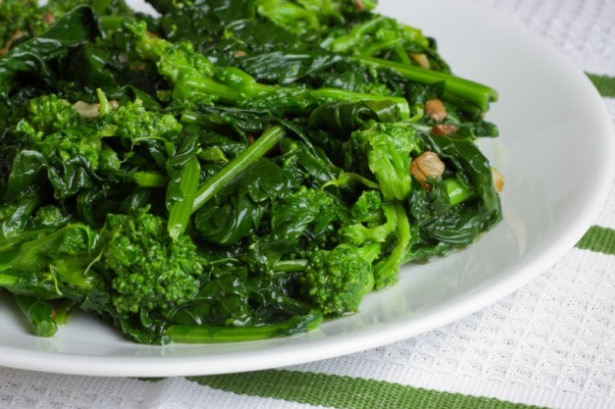
- Greens like dandelion, kale, arugula and broccoli rabe
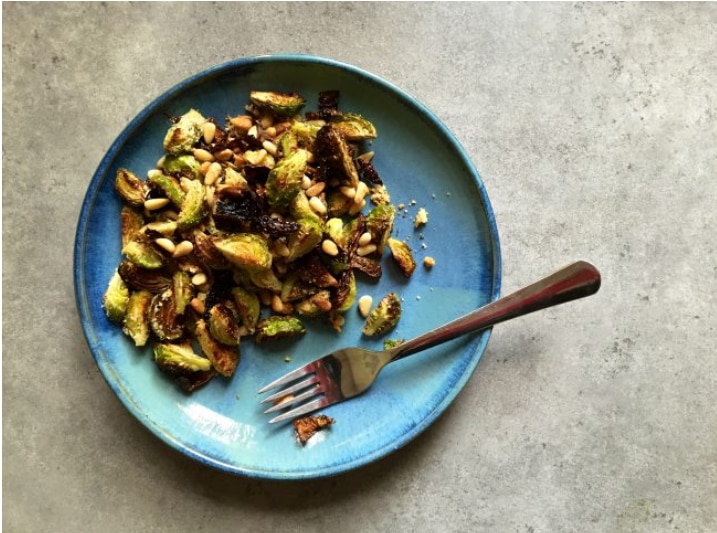
- Cruciferous vegetables like broccoli, cauliflower and Brussels sprouts
- Fruits like cranberries and grapefruit
In addition to adding these foods to your diet, making other changes like removing foods high in fat, salt and sugar and increasing your intake of whole and minimally processed foods can also
promote gut health.
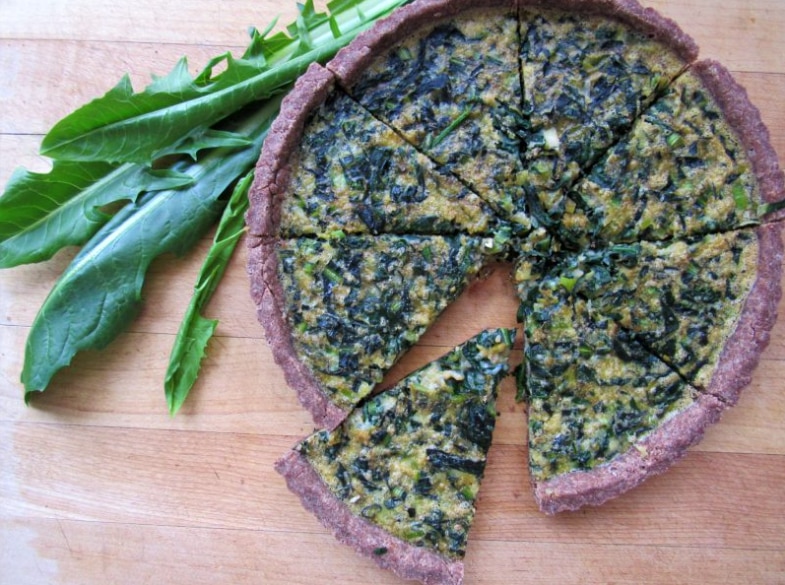
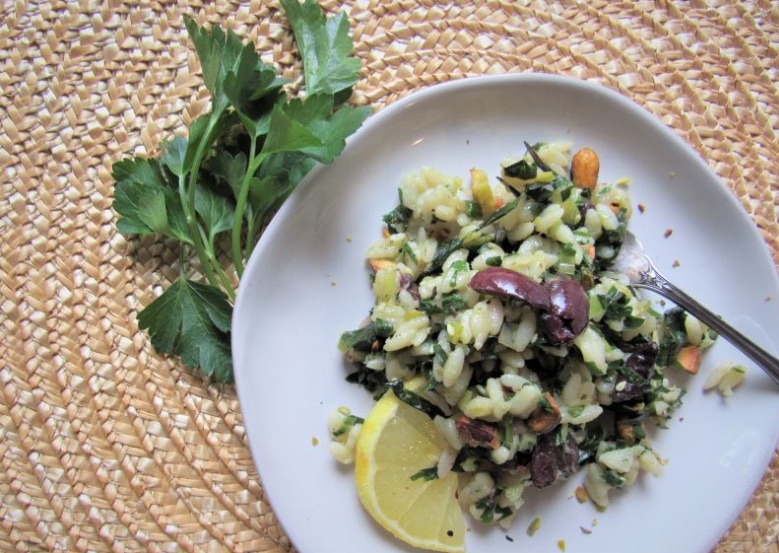
Add more bitters to your diet with these tasty recipes!

 †These statements have not been approved by the Food and Drug Administration. These products are not intended to diagnose, treat, cure or prevent disease.